
What Caused the Freight Recession?
Understanding the causes of the freight recession is key for both over-the-road (OTR) truck drivers and shippers navigating today’s transportation landscape. Let’s break down the key factors behind the recent downturn in the trucking and logistics industry:
1. The COVID Boom—and Then the Bust:
When the pandemic hit, freight demand surged as consumers shifted to online shopping and panic buying (American Trucking Associations COVID-19 Freight Impact Overview). This sudden spike led many carriers to expand capacity quickly.. Trucking companies rapidly added capacity, but once consumer spending cooled, that freight surge vanished. Suddenly, there were too many trucks on the road and not enough freight loads to go around.
2. Supply Outpaced Demand:
As trucking capacity outpaced shipper demand, brokers and shippers gained more negotiating power. That drove down spot market freight rates and made it harder for carriers to charge sustainable prices. Low freight rates and excess capacity created a tough market for small and mid-sized fleets.
3. Inventory Overload:
During the supply chain crisis, retailers overstocked inventories to avoid shortages. But as demand normalized, those shipments slowed down. This inventory correction led to reduced freight volumes across dry van, reefer, and flatbed sectors.
4. Rising Costs, Tight Margins:
Even as freight rates dropped, the cost of doing business continued to climb. Diesel prices, equipment costs, and insurance premiums all remained high. That squeeze on profit margins hit trucking companies hard—especially those relying on spot market loads.
5. Economic Uncertainty:
Wider economic challenges—including inflation, rising interest rates, and changing consumer behavior—further weakened the freight market. Consumers began spending more on experiences and services, and less on durable goods, which impacted the volume of goods shipped by truck.
So Where Does That Leave Us?
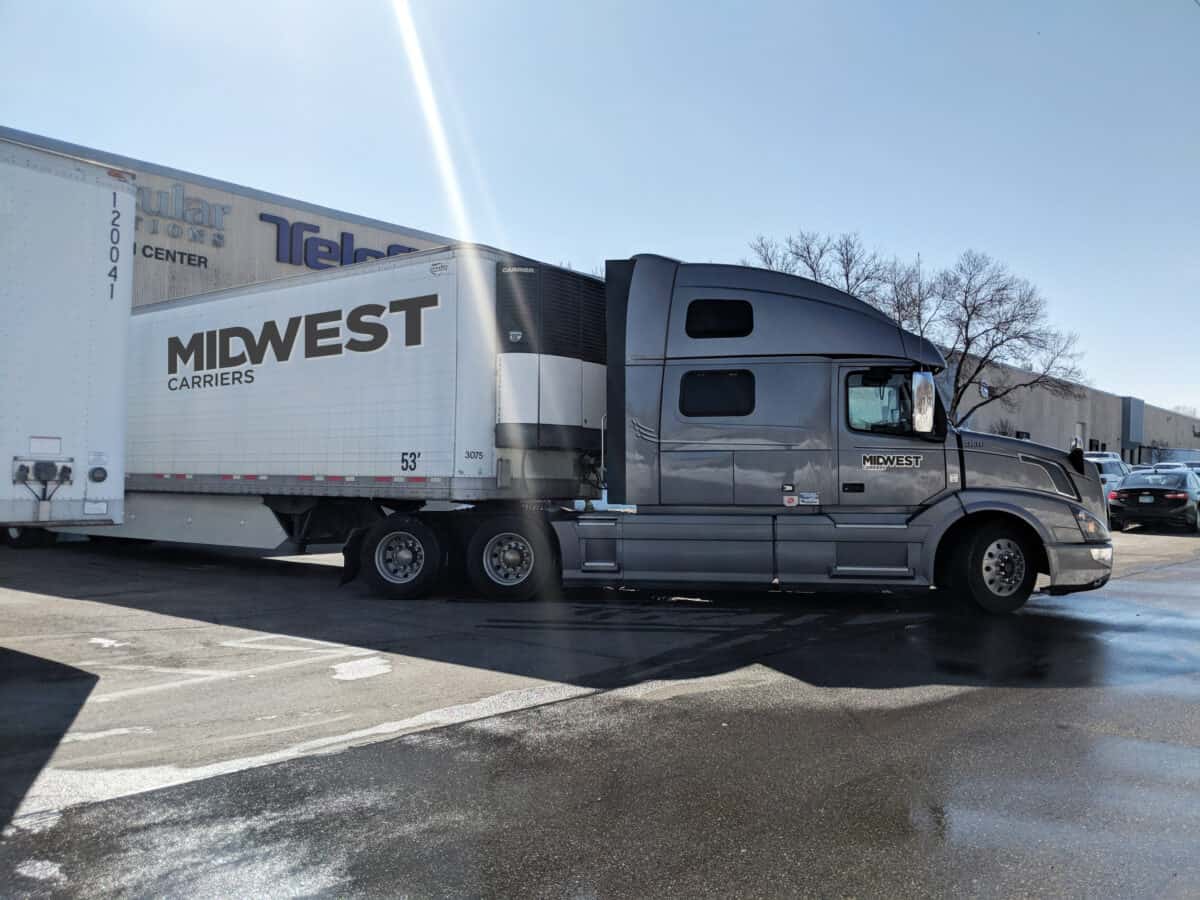
Many carriers and fleets have scaled back operations, cut routes, or laid off drivers. But at Midwest Carriers, we’ve weathered the storm with stability and consistency. While our team has occasionally seen a shift toward brokered freight, we’ve kept driver pay steady and continued operating without disruption.
That kind of stability doesn’t happen by accident. It comes from strong logistics planning, long-term partnerships, and a focus on keeping our professional truck drivers supported—especially when the market gets tough.
Looking Ahead: Freight Industry Outlook for 2025

Industry analysts are starting to see early signs of a rebound in 2025. It won’t happen overnight, but momentum is building across several sectors, from consumer goods to industrial freight.
At Midwest Carriers, we’re optimistic about what’s ahead—and we’re ready to grow with drivers who share our values and commitment to excellence.